
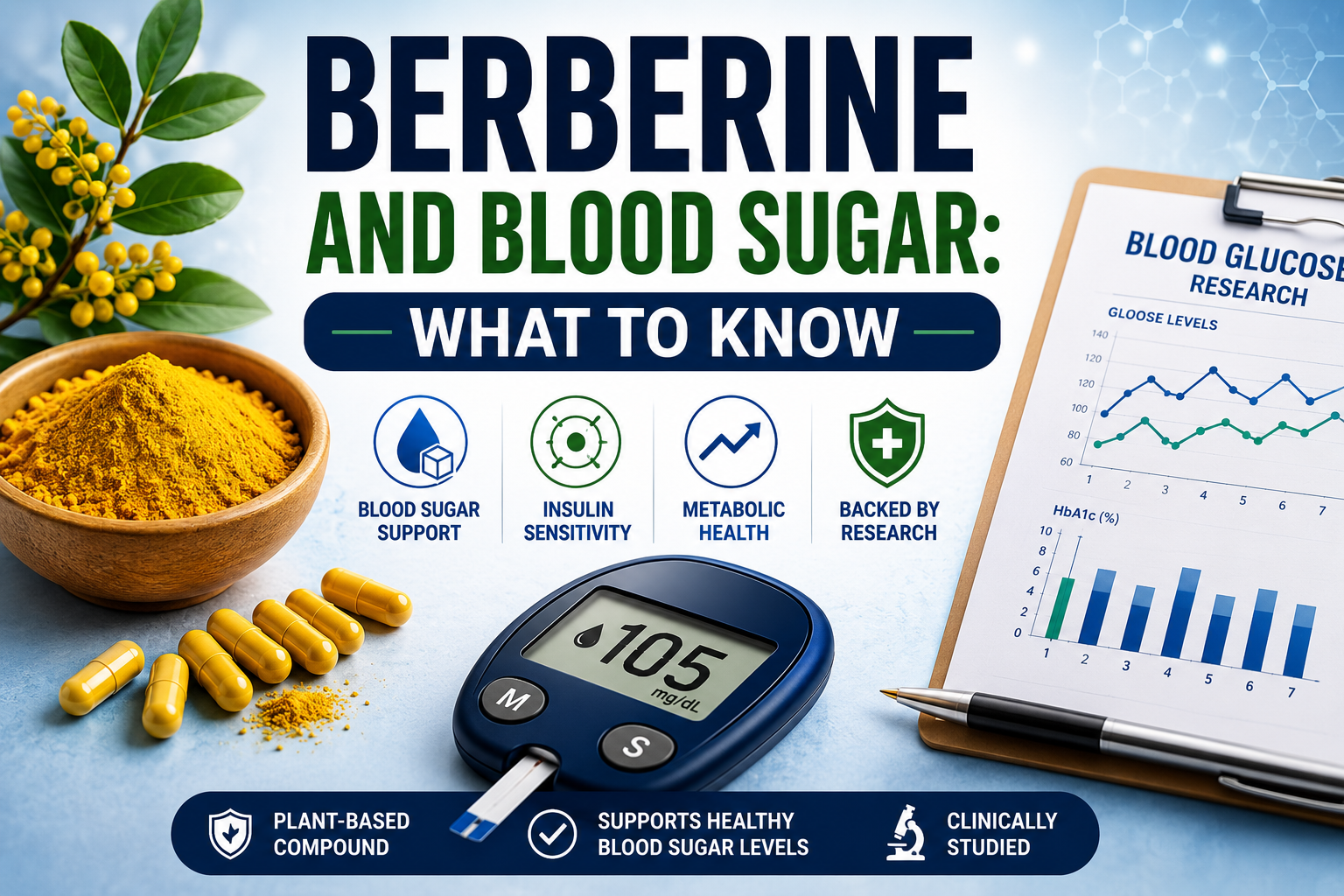
Berberine is often discussed for blood sugar support, insulin sensitivity, and metabolic health. Some research suggests it may help support healthier blood glucose markers, especially in people with type 2 diabetes or insulin resistance.
However, berberine should not be treated as a replacement for medication, diabetes care, diet, exercise, or professional medical advice.
If you are researching berberine patches, start here:
Berberine Patches: Benefits, Safety, How They Work & Do They Really Work?
For product comparisons, visit:
Best Berberine Patches of 2026
Quick Answer
Can Berberine Help Support Blood Sugar?
Berberine may help support blood sugar control in some people, especially when used alongside diet, movement, and healthy lifestyle habits. However, it can also interact with medications, so medical guidance is important.
Potential Benefit
Some studies suggest berberine may help lower blood glucose and improve insulin resistance markers.
Main Risk
Berberine may interact with medications, especially blood sugar-lowering drugs.
Best View
Think of berberine as metabolic support, not a standalone diabetes treatment.
What Is Berberine?
Berberine is a plant-derived compound found in plants such as barberry, goldenseal, Oregon grape, and others.
It has been studied for several metabolic health areas, including:
- Blood glucose levels
- Insulin resistance
- Lipid metabolism
- Cholesterol markers
- Inflammation-related pathways
The NCCIH notes that there is some evidence berberine may have a modest effect on lowering blood glucose levels in people with type 2 diabetes and may reduce cholesterol levels.
Why Is Berberine Linked to Blood Sugar?
Berberine is linked to blood sugar because research suggests it may influence glucose metabolism.
In simple terms, berberine may help support the way the body handles glucose, insulin signaling, and metabolic function.
However, the evidence is strongest for oral berberine supplements — not patches.
Important distinction: Most blood sugar research on berberine involves capsules or oral supplementation, not transdermal patches.
What Does Research Say About Berberine and Blood Sugar?
Research is promising but not perfect.
A 2022 systematic review and meta-analysis published in PMC concluded that berberine had a glucose-lowering effect in people with type 2 diabetes, related to baseline fasting plasma glucose and HbA1c levels.
The NCCIH also notes that a review of 46 studies involving 4,158 participants found that berberine may have beneficial effects on blood glucose, insulin resistance, and lipid metabolism in people with type 2 diabetes.
Does Berberine Lower Blood Sugar?
Berberine may help lower blood sugar in some people, but results vary.
Possible reasons results may differ include:
- Baseline blood sugar levels
- Diet quality
- Medication use
- Supplement dose
- Length of use
- Consistency
- Overall metabolic health
Berberine should not be used as a replacement for diabetes medication or professional care.
Can Berberine Help With Insulin Resistance?
Berberine may support insulin resistance markers in some studies.
Insulin resistance occurs when cells do not respond effectively to insulin, making it harder for the body to manage blood glucose.
Berberine may help by supporting metabolic pathways related to glucose and lipid metabolism, but it should still be used cautiously.
For a broader look at berberine and weight-related metabolic support, read:
Berberine for Weight Loss: What Research Says
Berberine Capsules vs Patches for Blood Sugar
Most research on berberine and blood sugar is based on oral supplementation.
That matters because capsules and patches are not the same delivery method.
For a full comparison, read:
Berberine Patches vs Capsules: Which Is Better?
Delivery Method
Capsules Have More Blood Sugar Research Than Patches
If your main goal is evidence-based blood sugar support, oral berberine capsules currently have more direct research behind them. Patches may be more convenient, but patch-specific evidence is more limited.
Capsules
More clinical research, clearer dosing, and stronger evidence for glucose-related studies.
Patches
More convenient and pill-free, but transdermal berberine evidence is less established.
Are Berberine Patches Useful for Blood Sugar Support?
Berberine patches may be useful for people who want a pill-free wellness routine.
However, because patch-specific berberine research is limited, they should be viewed as a convenience-focused metabolic support option rather than a proven blood sugar treatment.
If you are comparing patch options, see:
Best Berberine Patches of 2026
Can Berberine Interact With Diabetes Medication?
Yes. This is one of the most important safety concerns.
Because berberine may lower blood glucose, combining it with diabetes medication could increase the risk of blood sugar dropping too low.
The NCCIH warns that berberine may interact with medicines and advises people taking medication to talk with a healthcare provider before using berberine supplements.
Who Should Be Careful With Berberine?
You should speak with a healthcare professional before using berberine if you:
- Take diabetes medication
- Take blood pressure medication
- Use prescription medications
- Are pregnant or breastfeeding
- Have liver, kidney, or heart concerns
- Have a diagnosed medical condition
For Purisaki-specific safety guidance, read:
Purisaki Side Effects, Safety & Who Should Avoid It
Possible Berberine Side Effects
Berberine may cause digestive side effects.
According to the NCCIH, side effects reported in research studies are primarily gastrointestinal symptoms such as:
- Nausea
- Abdominal pain
- Bloating
- Constipation
- Diarrhea
Patch users should also consider skin-related effects, such as redness, itching, or adhesive sensitivity.
How to Use Berberine Safely for Blood Sugar Support
To reduce risk:
- Talk with a healthcare professional first if you take medication
- Do not use berberine as a replacement for diabetes treatment
- Monitor how you feel
- Be cautious if you already have low blood sugar episodes
- Use products exactly as directed
- Stop use if unusual symptoms occur
If using a patch-based product, proper application also matters.
Read:
How to Apply Purisaki Patches Correctly
Does Berberine Replace Diet and Exercise?
No.
Berberine may support metabolic health, but it does not replace:
- A balanced diet
- Regular movement
- Weight management habits
- Blood sugar monitoring
- Professional diabetes care
- Medication when prescribed
Lifestyle still matters most.
For nutrition support, read:
The Best Diet to Pair With Metabolic Patches
Final Verdict: Is Berberine Good for Blood Sugar?
Final Verdict
Berberine May Support Blood Sugar, But Safety Comes First
Berberine may help support healthier blood sugar markers in some people, but it should not be treated as a medical treatment or medication replacement.
Best Viewed As
A metabolic support compound that may complement diet, movement, and professional care.
Not Best Viewed As
A replacement for diabetes medication, blood sugar monitoring, or medical advice.
Recommended Reading
- Berberine Patches
- Berberine for Weight Loss
- Berberine Patches vs Capsules
- Purisaki Review
- Purisaki Side Effects
FAQs
Can berberine lower blood sugar?
Berberine may help lower blood sugar in some people, especially those with type 2 diabetes or insulin resistance, but results vary and it should not replace medical care.
Can berberine interact with diabetes medication?
Yes. Berberine may interact with medications, including blood sugar-lowering drugs, so people taking medication should speak with a healthcare professional before use.
Are berberine patches good for blood sugar?
Berberine patches may support a wellness routine, but most blood sugar research is based on oral berberine supplements rather than patches.
Is berberine safe for diabetics?
People with diabetes should speak with a healthcare professional before using berberine, especially if they take medication or monitor blood sugar levels.
Can berberine replace diet, exercise, or medication?
No. Berberine should not replace diet, exercise, blood sugar monitoring, prescribed medication, or professional medical advice.
Next Step
Compare Berberine Patch Options Before You Decide
If you are interested in berberine for blood sugar support, compare patch options, read the full Purisaki review, and check safety details before choosing.
Evidence & References
Sources Used in This Article
These sources are included for educational context and should not replace professional medical advice.

Reviewed for Accuracy & Transparency
This page was reviewed for factual accuracy, source quality, safety wording, affiliate transparency, and alignment with our editorial policy. It is not medical advice and should not replace guidance from a qualified healthcare professional.
Written by The Metabolic Patch Editorial Team
The Metabolic Patch Editorial Team researches metabolic wellness patches, ingredient claims, product safety considerations, pricing, refund policies, and affiliate transparency. Our goal is to help readers make informed decisions using evidence-informed, clearly sourced, and commercially transparent content.
Affiliate Transparency
Some links on this page may be affiliate links. If you purchase through these links, The Metabolic Patch may earn a commission at no extra cost to you. Our reviews are designed to remain evidence-informed, safety-conscious, and transparent.
Important Safety Note
Dietary supplements and wellness patches are not intended to diagnose, treat, cure, or prevent disease. If you are pregnant, breastfeeding, taking medication, managing a medical condition, or have sensitive skin, speak with a qualified healthcare professional before using any new supplement or patch product.